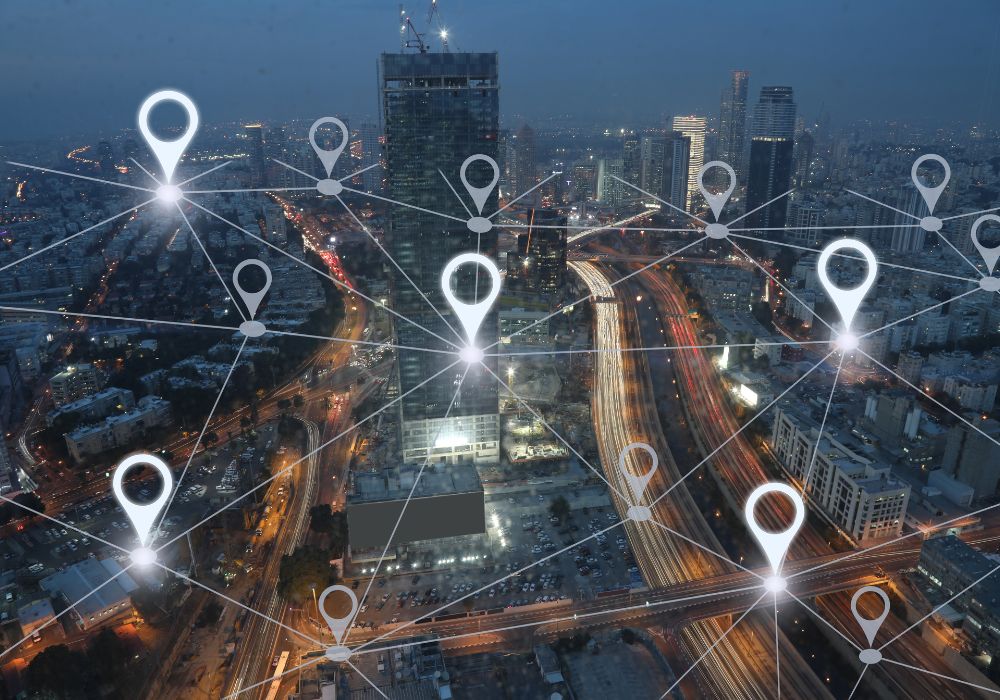

The Growing Role of Technology in Enhancing NEMT Services
Key Takeaways
- Digital scheduling platforms and mobile apps are revolutionizing how patients book and manage their non-emergency medical transportation (NEMT) services
- GPS tracking and route optimization technologies significantly improve on-time performance and reduce patient wait times by up to 30%
- Telehealth integration with NEMT services creates a more comprehensive care continuum, particularly benefiting rural and mobility-challenged patients
- Data analytics and AI-driven solutions enable NEMT providers to predict demand patterns and allocate resources more efficiently
- H&M Transport leverages cutting-edge technology to provide more reliable, efficient, and patient-centered transportation services throughout Virginia and the DC Metro area
How Is Technology Transforming the NEMT Industry?
The non-emergency medical transportation (NEMT) industry is undergoing a profound digital transformation. Advanced technologies are revolutionizing every aspect of NEMT operations—from booking and scheduling to route planning, patient monitoring, and service delivery. This technological evolution is creating more efficient, accessible, and patient-centered transportation services that significantly improve healthcare outcomes.
Understanding the Technology Revolution in NEMT Services
Non-emergency medical transportation (NEMT) has traditionally operated with manual processes—paper-based scheduling, phone call bookings, and limited coordination between healthcare providers and transportation services. However, the landscape is rapidly evolving as technology permeates every aspect of the healthcare continuum, including how patients get to and from their medical appointments.
The significance of this technological revolution cannot be overstated. According to recent healthcare studies, approximately 3.6 million Americans miss or delay medical care each year due to transportation issues. These missed appointments cost the U.S. healthcare system an estimated $150 billion annually and lead to poorer health outcomes, particularly for vulnerable populations like the elderly, disabled, and those with chronic conditions.
NEMT services play a crucial role in addressing this healthcare gap. By providing reliable transportation for non-emergency medical appointments, NEMT helps ensure patients receive consistent care, adhere to treatment plans, and maintain their health. The integration of technology into these services represents a critical advancement in healthcare accessibility.
The evolution began with basic computerized dispatch systems but has rapidly advanced to include sophisticated platforms that leverage artificial intelligence, machine learning, GPS tracking, mobile applications, and integration with electronic health records. These technologies are transforming NEMT from a simple transportation service into a vital, data-driven component of the healthcare ecosystem.
For NEMT providers like H&M Transport, embracing these technological advancements isn’t just about operational efficiency—it’s about fundamentally improving patient care. Technology enables more precise scheduling, reduced wait times, better communication, enhanced safety monitoring, and improved coordination with healthcare providers. This technological integration helps ensure that transportation is no longer a barrier to receiving necessary medical care.
Furthermore, the COVID-19 pandemic accelerated technology adoption across the healthcare sector, including NEMT services. The need for contactless interactions, precise scheduling to maintain social distancing, and coordination with rapidly evolving healthcare delivery models pushed NEMT providers to implement digital solutions more quickly than previously planned.
As we look toward the future, the continued development and integration of technology in NEMT services will likely lead to even more personalized, efficient, and effective transportation solutions that further break down barriers to healthcare access and improve patient outcomes across diverse populations.
Key Technological Innovations Transforming NEMT Services
- Mobile Applications and Digital Platforms: The development of user-friendly mobile apps has revolutionized how patients access NEMT services. These applications allow patients, caregivers, or healthcare providers to book transportation with just a few taps on their smartphones. Modern NEMT apps feature intuitive interfaces, real-time ride tracking, automated appointment reminders, and secure communication channels. For patients with recurring appointments, such as dialysis treatments, these platforms can schedule regular transportation weeks or months in advance, ensuring consistency and reducing the burden of making repeated arrangements. According to healthcare technology surveys, patient satisfaction increases by approximately 40% when digital booking options are available.
- GPS Tracking and Route Optimization: Advanced GPS technology has transformed route planning and vehicle tracking in the NEMT sector. Modern NEMT vehicles equipped with GPS systems provide dispatchers with real-time location data, enabling more efficient routing and precise estimated arrival times. Route optimization algorithms consider factors such as traffic patterns, construction zones, and optimal sequencing of multiple pickups to create the most efficient routes. This technology has been shown to reduce fuel consumption by up to 20% while significantly improving on-time performance. For patients, this means shorter wait times and more reliable service, which is particularly important for time-sensitive medical appointments like dialysis or chemotherapy.
- Telehealth Integration: One of the most significant developments in healthcare technology is the rise of telehealth services, which has created new opportunities for NEMT providers. Progressive NEMT companies now coordinate with telehealth providers to create comprehensive care solutions. For instance, patients who cannot easily travel to medical facilities can receive telehealth services at home, with NEMT providing transportation only when in-person care is necessary. This integration creates a more seamless healthcare experience and reduces unnecessary trips. Some NEMT providers have even begun equipping their vehicles with secure telehealth capabilities, allowing patients to connect with healthcare providers during transport for pre-appointment consultations or post-appointment follow-ups.
- Electronic Health Record (EHR) Integration: Forward-thinking NEMT providers are developing secure interfaces with healthcare systems’ electronic health records. This integration allows for automated verification of medical necessity for transportation, streamlined authorization processes, and better coordination of care. When NEMT services are integrated with EHR systems, healthcare providers can directly schedule transportation as part of the discharge process or when booking follow-up appointments. This integration reduces administrative burden, minimizes errors in communication, and ensures that transportation arrangements align with patients’ medical needs and appointment schedules.
Implementing Technology Solutions in NEMT Operations
Strategy 1: Adopting Comprehensive NEMT Software Platforms The foundation of technology-enhanced NEMT services is a robust management platform specifically designed for medical transportation. These comprehensive software solutions integrate multiple functions—scheduling, dispatching, routing, billing, and reporting—into a single system. When implementing such platforms, NEMT providers should prioritize solutions that offer flexibility and scalability to accommodate growing service areas and evolving needs.
H&M Transport’s implementation of an enterprise-level NEMT management system has streamlined operations significantly. The platform automatically matches patient needs with appropriate vehicles and drivers, considering factors such as wheelchair accessibility, bariatric capabilities, or stretcher requirements. This precise matching ensures that each patient receives the right type of transportation with properly trained personnel. The system also enables real-time adjustments when circumstances change, such as when a patient is discharged earlier than expected or when traffic conditions necessitate route modifications.
For NEMT providers considering similar implementations, it’s essential to select platforms that offer robust training and support, as the transition from manual or legacy systems can be challenging. The most successful implementations include phased rollouts, comprehensive staff training, and continuous performance monitoring to identify and address any issues promptly.
Strategy 2: Leveraging Mobile Technology for Enhanced Communication Mobile technology has transformed how NEMT providers communicate with patients, healthcare facilities, and drivers. Implementing a multi-channel communication strategy that includes automated SMS notifications, mobile app alerts, and optional voice reminders ensures that all parties remain informed throughout the transportation process.
Effective implementation includes developing clear communication protocols that specify when and how patients receive notifications. For example, patients might receive a booking confirmation immediately, a reminder 24 hours before their appointment, and real-time updates about their driver’s location on the day of service. These communications should be customizable based on patient preferences and accessible to those with visual or hearing impairments.
For drivers, mobile technology provides real-time updates about schedule changes, traffic conditions, and special patient needs. Mobile apps designed for NEMT drivers include features such as turn-by-turn navigation, secure messaging with dispatch, and digital documentation capabilities for recording trip details and obtaining required signatures.
Strategy 3: Implementing Data Analytics for Continuous Improvement The wealth of data generated by digital NEMT platforms creates opportunities for continuous service improvement through advanced analytics. Implementation begins with identifying key performance indicators (KPIs) that align with organizational goals, such as on-time performance, average wait times, vehicle utilization rates, and patient satisfaction scores.
Successful analytics implementation requires both the right tools and the right processes. NEMT providers should invest in data visualization dashboards that make complex information accessible to managers and decision-makers. Regular data review sessions help identify trends, recognize successful strategies, and address emerging challenges before they impact service quality.
Predictive analytics represents the next evolution in this area. By analyzing historical data patterns, NEMT providers can forecast demand fluctuations, anticipate maintenance needs, and proactively adjust staffing levels. For example, data analysis might reveal increased transportation requests during certain seasons or following specific types of weather events, allowing for proactive resource allocation.
Strategy 4: Ensuring Seamless Integration with Healthcare Systems For maximum effectiveness, NEMT technology should integrate with the broader healthcare ecosystem. Implementation requires developing secure data exchange protocols that comply with HIPAA regulations while enabling efficient information sharing between transportation providers, healthcare facilities, and insurance companies.
Successful integration strategies include establishing standardized data formats, implementing secure API connections, and developing clear workflows for information exchange. For example, when a hospital schedules a follow-up appointment for a patient, the system should automatically assess transportation needs based on the patient’s profile and initiate the appropriate NEMT request if necessary.
These integrations often require collaboration between multiple technology vendors and healthcare stakeholders. NEMT providers should establish dedicated integration teams that include IT specialists, operations managers, and healthcare liaison personnel to ensure that technical solutions align with real-world operational needs and regulatory requirements.
Overcoming Technology Implementation Challenges
Implementing new technologies in NEMT services isn’t without challenges. Many NEMT providers face obstacles related to cost, technical complexity, staff resistance to change, and concerns about maintaining the human touch in patient care.
To address these challenges, progressive NEMT companies are adopting phased implementation approaches that allow for gradual adjustment and learning. Comprehensive training programs ensure that all staff—from drivers to dispatchers to administrative personnel—understand how to use new technologies effectively. Many providers also establish technology champions within their organizations who can provide peer support and help address concerns as they arise.
Funding for technology investments remains a significant hurdle for many NEMT providers, particularly smaller operations. Some organizations are addressing this challenge by exploring grant opportunities, forming technology cooperatives with other providers, or negotiating favorable financing terms with technology vendors. Others are working with healthcare partners who recognize that investing in NEMT technology ultimately reduces their costs by decreasing missed appointments and improving patient outcomes.
For patients who may be less comfortable with technology, particularly elderly individuals, NEMT providers should maintain alternative access options while providing support for digital adoption. This might include offering simple instructional materials, providing telephone assistance for app setup, or designing user interfaces specifically for those with limited technology experience.
Resources available to NEMT providers considering technology implementation include industry associations such as the American Public Transportation Association (APTA) and the National Association for the Transportation of the Elderly and Disabled, which offer guidance, best practices, and networking opportunities. Additionally, the Centers for Medicare & Medicaid Services (CMS) provides information about funding opportunities and compliance requirements for technology-enhanced NEMT services.
How H&M Transport Can Help
As a family-owned non-emergency medical transportation provider with 16 years of experience serving Virginia and the Washington, D.C. Metro area, H&M Transport has embraced technological innovation while maintaining our commitment to compassionate, patient-centered care.
Our comprehensive technology ecosystem begins with our user-friendly online reservation system, accessible through our website at hmtransport.com/reservations. This platform allows patients, family members, or healthcare providers to book transportation services 24/7, view upcoming appointments, and manage transportation schedules with ease. For those who prefer traditional methods, our team remains available by phone at (703) 304-7889 to provide personalized assistance and answer any questions.
H&M Transport’s fleet of more than 80 modern vehicles is equipped with advanced GPS tracking systems that allow our dispatch team to monitor locations in real-time, make route adjustments as needed, and provide accurate arrival time estimates to waiting patients. This technology has significantly improved our on-time performance, which is crucial for patients with time-sensitive medical appointments such as dialysis treatments or scheduled surgeries.
Our commitment to technological advancement extends to our specialized transportation services. For wheelchair transport, our vehicles feature state-of-the-art securing systems that exceed ADA compliance requirements, ensuring maximum safety and comfort. Our stretcher transport vehicles include electronic monitoring capabilities that allow our trained staff to track vital patient information during transport when necessary. For bariatric patients, we utilize specialized equipment with electronic assists that enhance dignity and comfort during boarding and transport.
What truly sets H&M Transport apart is how we’ve integrated technology while maintaining the human connection that’s essential in medical transportation. Our staff undergoes comprehensive training not only in operating our technological systems but also in providing compassionate care to patients during what can be challenging times. We understand that technology should enhance, not replace, the personal attention that patients deserve.
For healthcare facilities, H&M Transport offers seamless integration capabilities with hospital discharge systems, allowing for efficient coordination of patient transportation as part of the discharge process. This integration reduces administrative burden on healthcare staff while ensuring patients have reliable transportation arranged when they’re ready to leave the facility.
Our data-driven approach to service delivery has allowed us to complete over 1 million trips safely, covering more than 10 million miles throughout Virginia and the D.C. Metro area. By analyzing transportation patterns and patient needs, we continuously refine our services to better serve our communities.
As telehealth continues to grow in importance, H&M Transport is developing innovative solutions to bridge the gap between virtual and in-person care. We’re exploring partnerships with telehealth providers to create comprehensive care solutions that combine digital health services with targeted transportation when in-person care is necessary.
H&M Transport’s technological capabilities extend to our billing and administrative processes as well. We work with various insurance providers, including Medicare and Medicaid, utilizing digital systems that streamline authorization processes and reduce paperwork for patients and healthcare providers alike.
Whether you’re a patient needing reliable transportation to medical appointments, a family member arranging care for a loved one, or a healthcare facility seeking a dependable transportation partner, H&M Transport combines technological innovation with compassionate service to ensure safe, timely, and comfortable transportation.
Our commitment to technology enhancement is driven by our core mission: delivering safe, compassionate, and professional transport services when they matter most. By leveraging the power of digital innovation while maintaining our family-owned values of personal attention and care, H&M Transport continues to lead the way in non-emergency medical transportation services across Virginia and the Washington, D.C. Metro area.
To experience the difference that technology-enhanced NEMT services can make in your healthcare journey, contact H&M Transport today at (703) 304-7889 or visit our website at hmtransport.com to book your transportation online. Our team is available 24/7/365, including holidays, to ensure you never miss an important medical appointment due to transportation challenges.