
Transportation for Wound Care and Hyperbaric Therapy

Wound care is a long relationship. A diabetic foot ulcer, a pressure injury, a surgical wound that isn’t closing — these are treated weekly, sometimes twice weekly, for months. Hyperbaric oxygen courses can run forty sessions, five days a week.

Many of these patients can’t drive at all: often diabetic, often with neuropathy, often with the affected foot in an offloading boot that cannot go near a pedal.

H&M Transport, the first NEMT provider in Virginia to earn NEMTAC accreditation, runs these schedules. Call (703) 304-7889.
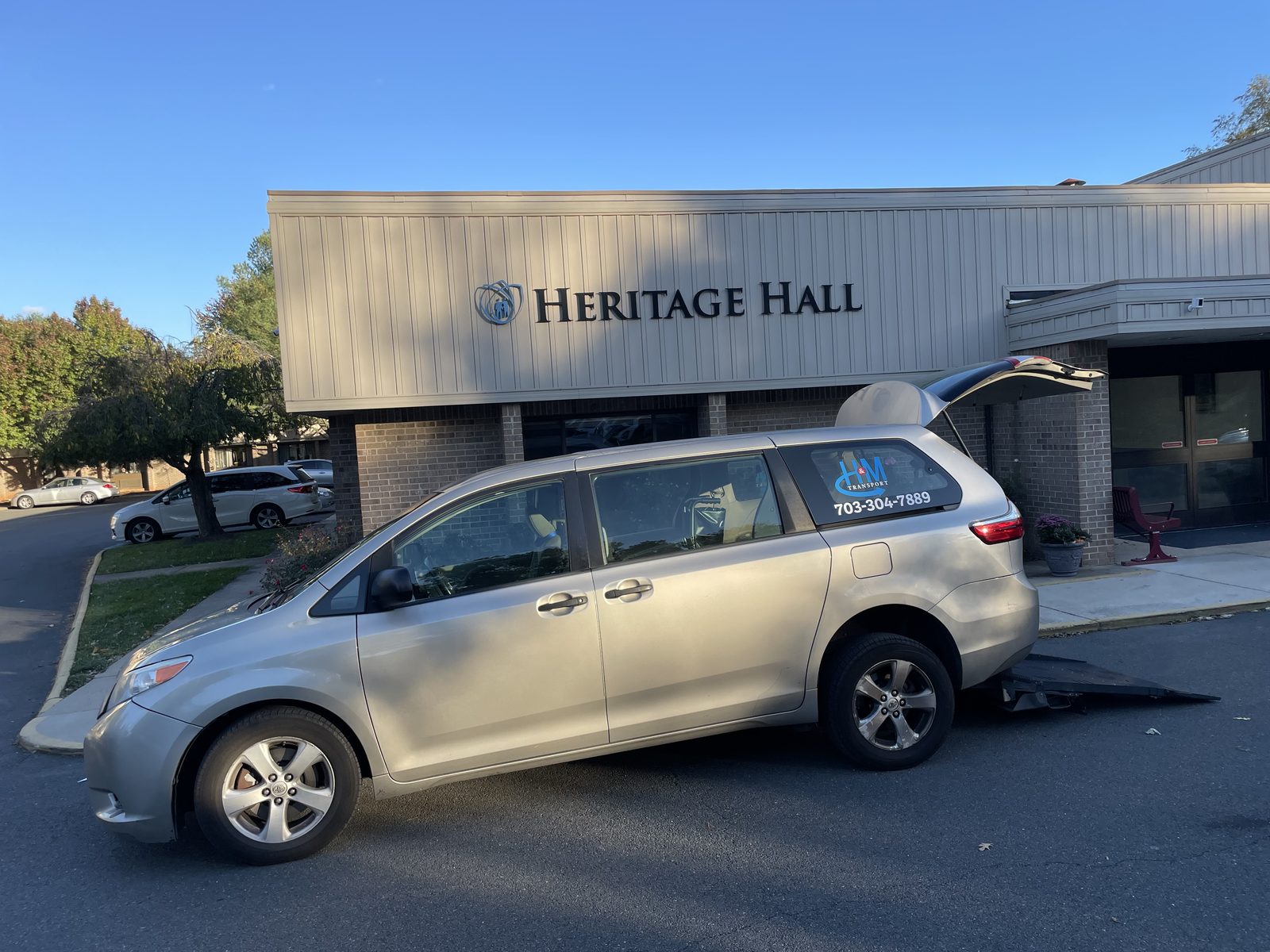
H&M Transport van collecting a resident from a Heritage Hall rehabilitation center
Collecting a resident from a rehabilitation center.

Why these riders can’t drive themselves

Offloading devices. The entire point of treating a diabetic foot ulcer is keeping weight off it — a total contact cast, a removable boot, a specialized shoe. None of them work on a pedal, and several make driving unlawful as well as unsafe.

Neuropathy. The condition that caused the ulcer is usually the condition that means the patient cannot feel their feet, which is a driving problem before it is anything else.

The wound gets worse before the appointment, not after. Patients frequently arrive at wound care having deteriorated during the week, which is why they’re there.

Hyperbaric adds its own. Patients often feel tired and occasionally light-headed after a dive, and ear discomfort is common. It is not a state for driving home.

Elevation matters on the journey. For a lower-limb wound, keeping the leg elevated during the trip is frequently part of the care plan. Tell us and the crew positions for it.

How the ride works

Weekly or twice-weekly visits belong on a standing order. Tell us the clinic, the days and the times once, and the rides repeat for as long as treatment lasts. The same crews tend to carry the same riders, so the driver learns the dressing, the boot and the door.

Tell us about the dressing and the boot. A bulky dressing or a cast boot changes how the rider gets into the vehicle and how much room they need.

Tell us if the leg needs elevating. We can position for it, but not if we find out at the door.

Wound care appointments run long and unpredictably. Debridement takes as long as it takes. A call-back return usually works better than a fixed time.

Many of these riders are also on dialysis. If that’s the case, tell us — we can often build both schedules into one standing arrangement.

What it costs

Wound care round trips by ambulatory or wheelchair transportation cost $55 per leg, five miles included on each, then $3 a mile. For months of weekly visits, plan around that figure. Stretcher round trips are $230 per leg.

You can price the whole course on our published rate card and trip estimator. For Virginia Medicaid: Call the transportation number on your Medicaid ID card; the brokers we work with are MTM Health and SafeRide Health. Request H&M Transport specifically when you book your ride. In DC we serve UnitedHealthcare Community Plan of the District of Columbia members through SafeRide Health, and we are not a Maryland Medicaid provider. Original Medicare doesn’t pay for these vans, but a Medicare Advantage plan whose ride benefit runs through MTM Health or SafeRide Health can send the trip to us.

Wound trips that need an ambulance

We drive wound care and hyperbaric patients to appointments and back; the van is transport, not part of the care.

We are not an ambulance service. We don’t monitor riders or give care on board, we don’t go to emergency rooms, and we don’t transfer patients to another hospital for a higher level of care. If a rider becomes unwell, the driver stops safely and calls 911.

If this is a medical emergency, call 911.

If you’re unsure, call and tell us about the patient; when it’s an ambulance trip, we’ll say so.

Common questions

What if debridement runs long and I can’t predict the pickup time?

Book the return as a will-call. Call dispatch as the visit nears its end and a driver starts toward you; call after debridement is done and a driver is there within 45 minutes. Calling early shortens the wait. Waiting on site is $75 an hour for wheelchair trips or $100 an hour for stretcher.

How do I ask for H&M Transport through Virginia Medicaid?

Call the transportation number on your Medicaid ID card; the brokers we work with are MTM Health and SafeRide Health. Request H&M Transport specifically when you book your ride. Covered rides to wound care cost the member nothing.

Do you transport patients on isolation precautions, such as C. diff, MRSA or COVID?

Yes, with notice. Tell us about any isolation precautions when you book. The crew wears the protective equipment the precautions call for, and the vehicle is disinfected after the trip. An additional charge applies, and dispatch will quote it when you book.

Book the ride

Weekly or twice-weekly for months is exactly what a standing order is for. One call sets it up.

Dispatch answers at (703) 304-7889 around the clock, or begin on our reservations page and we’ll call you. Same-day trips need three hours’ notice, a booking the day before is guaranteed, and we confirm by call or text within two hours. There’s no fee to change more than two hours before pickup; a later change or a no-show is $50.

We run wound care rides in Northern Virginia, Washington DC and Montgomery and Prince George’s counties, under WMATC authority 3449 across the District and Maryland and Virginia DMV Certificate #524 within Virginia.

Ready to book a ride?

Request a trip online, or call (703) 304-7889. We dispatch 24 hours a day, seven days a week, holidays included.

BOOK TRANSPORT