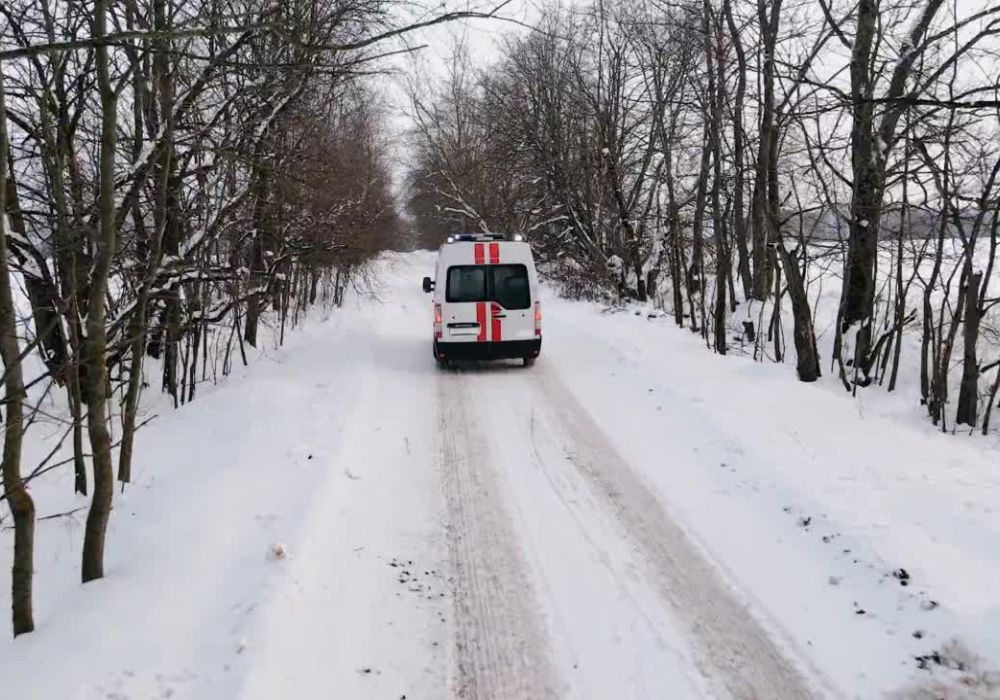

To get through a winter medical ride safely, dress the rider in warm layers that come off easily, clear a path from the door to the curb, and confirm the pickup with your transportation provider the day before any storm. If snow or ice is in the forecast, call early, keep your phone on, and decide ahead of time which appointments can move and which, like dialysis, cannot.
Winter in Northern Virginia, DC and the Maryland suburbs is unpredictable. One week brings freezing rain on I-66, the next a snow day that closes schools while clinics stay open. This guide covers how to prepare a loved one for medical transport in cold weather and what to expect when weather delays hit the DMV.
Dressing for medical transport in cold weather
The goal is warmth during the few minutes outdoors without overheating in a warm van or waiting room.
- Layers over bulk. A thin base layer, a sweater or fleece and a windproof coat are easier to adjust than one heavy parka. Front-zip or button layers are simplest to take off in a wheelchair.
- Cover the extremities. Hat, gloves and warm socks matter most for older adults and people with diabetes or poor circulation, who may not feel the cold until skin is already chilled.
- Shoes with grip. For ambulatory riders, flat, closed shoes with rubber soles are far safer on slush than slippers or dress shoes. Pack the indoor shoes separately if needed.
- A blanket for wheelchair and stretcher riders. People who sit or lie still lose heat faster. A lap blanket or a warm throw over a stretcher sheet makes the trip from the door to the van more comfortable.
- Think about the appointment. For dialysis or infusion, wear sleeves that give access to the fistula, port or IV site without undressing. Clinic rooms can be cool during long treatments, so bring an extra layer.
Getting the home ready before a winter pickup
Most winter injuries around medical rides happen between the front door and the vehicle, not on the road. A few minutes of preparation make a big difference for the rider and for the crew.
- Shovel and salt the path from the door to the driveway or curb, including steps and any ramp. Wheelchairs and stretcher cots need a clear, level path, not just a narrow footpath.
- Clear space at the curb. Snowplow ridges can block the spot where a van needs to deploy its ramp or lift. If possible, clear an area about the length of a car at the curb or at the end of the driveway.
- Turn on outside lights for early morning and evening pickups, when ice is hardest to see.
- Tell us about steps. If the rider uses a wheelchair and the home has stairs, ask about a stair chair team when you book. Carrying a rider safely down icy steps is a job for a trained team, not a family member.
- Apartment and condo buildings: let us know which entrance is plowed and whether the elevator is working.
Planning around snow, ice and weather delays in the DMV
Our region does not handle winter weather gracefully. A small amount of snow can snarl the Beltway, and freezing rain can make side streets in Loudoun, Prince William or Montgomery County dangerous long after main roads are treated. Here is how to plan.
Watch the forecast two or three days out
When a storm is predicted, look at your week’s appointments and sort them into two groups: care that cannot wait (dialysis, chemotherapy, radiation, wound care, hospital discharges) and care that can move (routine checkups, some therapy visits). Call the clinic about the second group early. Offices often reschedule before a storm and fill up fast afterward.
Confirm the ride the day before
Call dispatch or check your trip in the H&M Transport app the day before a storm. Make sure we have a phone number that will be answered, the correct pickup entrance and any change in the appointment time.
Build in extra time
On bad-weather days our drivers slow down, and so does everyone else. Expect pickup windows to stretch and plan for a longer trip. If the appointment has a firm start time, such as a scheduled procedure, tell us so we can plan the earliest safe pickup.
Change or cancel early
If the clinic closes or you decide to stay home, let us know at least two hours before pickup to avoid a cancellation fee. Our dispatch answers 24/7, holidays included, so you can call as soon as you hear about a closure.
Know when not to travel
When roads are truly unsafe, the safest choice for a routine appointment is to reschedule. For treatment that cannot be missed, talk to the care team. Dialysis centers, for example, often have their own weather plans and may shift treatment days ahead of a storm. Follow their instructions, and let us know about new times so we can adjust standing orders.
Dialysis and other treatments that cannot be skipped
Missing dialysis is not like missing a checkup. If you or a loved one rides to dialysis in the winter:
- Ask the dialysis center for its bad-weather plan before the season starts, including how it will contact you.
- Keep your standing order up to date with us. Our dialysis transportation runs on standing orders, and return trips follow a 45-minute will-call standard once the center calls to say treatment is finished. If you or the clinic can call a little before you’re done, we’ll start a driver your way. The earlier the call, the shorter the wait.
- If the center moves your chair time ahead of a storm, call us right away so the new pickup is scheduled.
- Follow your care team’s guidance on diet and fluids if a treatment is delayed.
The same thinking applies to chemotherapy, radiation and wound care. When in doubt, call the treating clinic first and then us.
What happens during the ride
Once the rider is in the van, the hardest part of a winter trip is over. Our vans are heated, and drivers are trained to take their time on slick surfaces:
- Wheelchair riders stay in their chair, which goes up a ramp on our minivans or a hydraulic lift on our full-size vans and is secured at four points. Learn more about wheelchair transport.
- Stretcher transport always has at least two crew members and a power-assisted cot, which is especially important on icy walkways.
- Ambulatory riders get door-through-door help: the driver walks with you from inside your home to inside the clinic, which is exactly when a steady arm matters on icy ground.
Winter hospital discharges
Hospitals discharge patients in every kind of weather. If a loved one is coming home during a cold snap:
- Bring warm clothes to the hospital ahead of time. Many patients were admitted in lighter clothing or by ambulance with nothing warm to wear home.
- Get the home ready first: heat on, path cleared, bed or recliner set up near a bathroom.
- Book the ride as soon as the care team gives an expected discharge time. Hospital discharge rides need at least three hours notice.
- Have medications picked up, or ask whether the hospital pharmacy can fill them before discharge, so nobody has to go out again in bad weather.
Cold-weather health tips for older riders
Older adults and people with chronic illness are more sensitive to cold. General guidance that most care teams agree on:
- Keep the home warm on the day of the ride, so the rider does not start out chilled.
- Eat something and drink fluids before a trip, unless the care team has said not to before a procedure.
- Bring any inhaler, nitroglycerin or other medication the rider might need on the way.
- Watch for shivering, confusion or unusual sleepiness, which can be signs of getting too cold, and call 911 for any emergency.
If your loved one uses oxygen, tell us when you book so we can plan for it, and make sure there is enough supply for the full trip, including possible delays.
Common questions
Does H&M Transport run in snow?
We run whenever roads are safe to drive. In severe weather we may slow down or delay pickups, and we will call you if a trip needs to change.
What if my appointment is canceled because of weather?
Call us as soon as you know. Changes made at least two hours before pickup avoid a cancellation fee, and dispatch answers 24/7.
What should a wheelchair rider wear for a winter ride?
Easy-to-remove layers, a hat and gloves, warm socks and a lap blanket. Avoid long coats or scarves that could catch in the wheels or securement straps.
How do I prepare my steps for a stretcher or wheelchair pickup?
Shovel and salt the full path from the door to the curb, clear any snowbank where the van will park, and tell us about steps when you book so we can send a stair chair team if needed.
Will dialysis rides still happen during a snowstorm?
Dialysis rides are our top priority in bad weather, but schedules can shift. Follow your dialysis center’s weather plan and call us if your treatment time changes.
Winter is easier with a plan. Book your ride online or call dispatch at (703) 304-7889, and tell us about the stairs, the driveway and anything else we should know. We will send the right service, whether wheelchair, stretcher or ambulatory, and a driver who knows how to handle a DMV winter.