
Key Takeaways
- Advance planning with NEMT providers is critical for vulnerable patients who may need evacuation or continued medical care during hurricane season
- Non-emergency medical transport services provide a lifeline for medication-dependent, mobility-challenged, and chronically ill patients during hurricanes
- H&M Transport’s 24/7/365 availability ensures continuity of care during weather emergencies with specialized vehicles for all patient needs
- Establishing a hurricane transportation plan that includes medical transport contacts can literally save lives when emergency services are overwhelmed
- Contact H&M Transport at 703.304.7889 today to include professional medical transportation in your hurricane preparedness plan
Why Is Hurricane Preparedness Critical for Medically Vulnerable Individuals?
Hurricane season brings unique challenges for individuals with medical needs, especially those who are mobility-impaired, dependent on medical equipment, or require regular treatments like dialysis. Without proper planning, these vulnerable populations face potentially life-threatening situations when evacuation orders are issued or when access to regular medical care is disrupted. Non-emergency medical transportation (NEMT) services provide a crucial safety net, ensuring these individuals can reach safety or continue receiving essential care during weather emergencies.
Understanding Hurricane Risks for Medically Vulnerable Populations
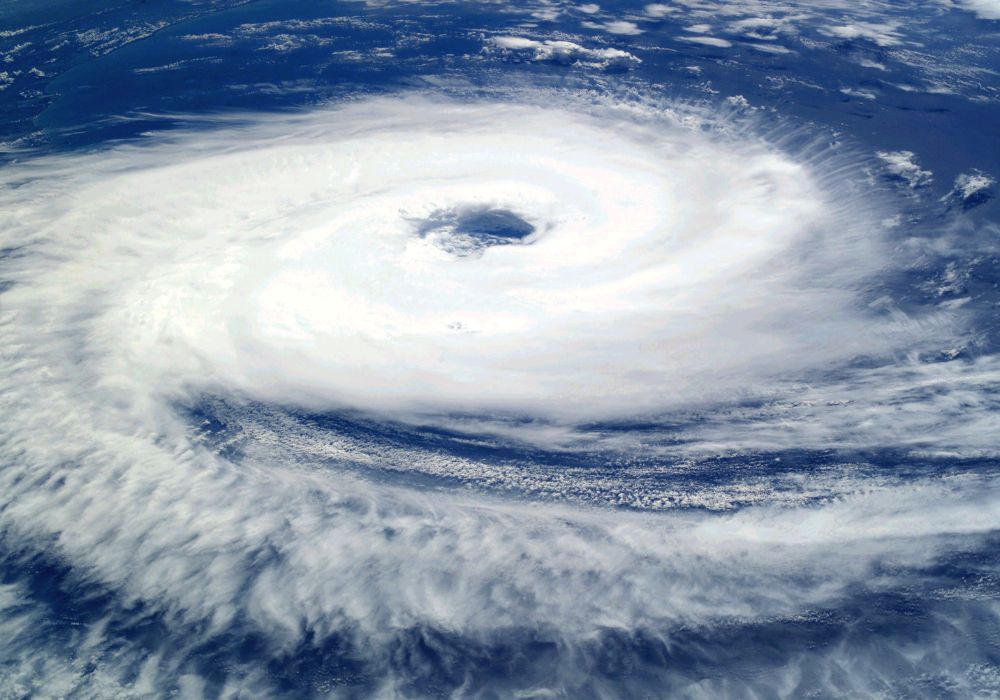
Hurricane season, which officially runs from June 1 to November 30 in the Atlantic basin, poses significant risks to everyone in affected areas. However, for medically vulnerable individuals, these risks are magnified considerably. According to the CDC, people with medical conditions face disproportionate challenges during natural disasters, with potentially severe consequences if their care is interrupted.
For individuals dependent on electricity-powered medical equipment such as oxygen concentrators, ventilators, or power wheelchairs, a hurricane’s impact can be immediate and life-threatening. Power outages that might be inconvenient for most can become dangerous for these patients. Similarly, those requiring regular medical treatments like dialysis, chemotherapy, or specialized medications face serious health consequences if these services are disrupted.
Transportation challenges compound these issues. Regular public transportation often shuts down during severe weather. Roads may become impassable due to flooding or debris. Emergency services become overwhelmed with critical situations. This creates a dangerous gap for individuals who aren’t experiencing an immediate emergency but still require medical transport.
The Virginia Department of Health reports that during past hurricanes, one of the most significant challenges was safely relocating individuals with medical needs before and during storms. Medicare recognizes this challenge as well, noting that transportation is a critical component of emergency preparedness for beneficiaries with medical conditions.
Non-emergency medical transportation services like H&M Transport fill this crucial gap by providing specialized vehicles and trained personnel who understand the unique needs of medically vulnerable patients. With advance planning, these services can ensure continuity of care during hurricane emergencies, potentially saving lives and preventing medical complications.
For the Virginia and Washington D.C. Metro areas, hurricane preparedness is particularly important. While these regions may not always face direct hurricane landfalls, they frequently experience significant impacts from tropical systems, including flooding, power outages, and transportation disruptions. The region’s large population of seniors and individuals with medical needs makes NEMT services an essential component of comprehensive hurricane preparedness.
Common Hurricane Challenges for Patients Requiring Medical Transport
- Evacuation Difficulties: Many medically vulnerable individuals cannot simply evacuate in personal vehicles. Patients who use wheelchairs, require stretchers, or need bariatric accommodation face significant challenges during evacuation orders. Standard evacuation transportation often lacks the specialized equipment these individuals need. During Hurricane Katrina, thousands of individuals with medical needs were stranded because appropriate transportation wasn’t available, a situation that led to preventable suffering and deaths.
- Continuity of Critical Care: For patients requiring ongoing treatments like dialysis, disruption can be life-threatening. The CDC reports that during Hurricane Maria, many dialysis patients missed multiple treatments due to transportation issues, resulting in preventable hospitalizations. When regular treatment facilities close due to storms, patients must reach alternative locations, often with limited transportation options.
- Medication and Supply Access: Many patients rely on regular medication refills or medical supplies. During hurricanes, accessing pharmacies becomes challenging due to closures, power outages, and transportation disruptions. According to healthcare studies, medication adherence drops significantly during natural disasters, leading to health complications. Patients without reliable transportation are particularly vulnerable to these disruptions.
- Hospital Discharge Challenges: Hospitals often discharge stable patients ahead of approaching hurricanes to make room for emergency cases. These recently discharged patients may still require medical support and appropriate transportation to reach safe locations. Standard transportation services typically cease operations during severe weather, leaving these vulnerable individuals without safe options to reach their destinations.
- Special Needs Shelter Transportation: Many jurisdictions establish special needs shelters during hurricanes for individuals requiring medical support. However, reaching these specialized shelters often requires appropriate medical transportation. Local emergency management agencies typically focus on immediate life-threatening emergencies, creating gaps for those who need specialized transportation but aren’t experiencing acute emergencies.
Hurricane Preparedness Strategies for Patients Requiring Medical Transport
Strategy 1: Create a Comprehensive Medical Transport Plan Developing a detailed transportation plan well before hurricane season is essential. This plan should include primary and backup transportation options, evacuation routes, and contact information for NEMT providers like H&M Transport. For individuals with medical needs, this plan should be more detailed than standard evacuation plans.
The plan should specify what type of medical transport is needed (ambulatory, wheelchair, stretcher, or bariatric), what medical equipment must travel with the patient, and what documentation is necessary. Medicare recommends keeping a transportation plan with your important medical documents in a waterproof container.
For example, a dialysis patient should document the locations of alternative treatment facilities, contact information for their nephrologist, and arrangements with a medical transport provider who can safely transport them even in challenging conditions. Having this information organized and accessible can save precious time during an emergency.
Strategy 2: Register with Special Needs Registries Many counties and municipalities maintain registries for individuals with special medical needs. These registries help emergency management agencies identify those who may need assistance during evacuations. However, these services often become overwhelmed during actual emergencies.
While registering is important, it should be considered only one component of a comprehensive plan. Supplementing this with arrangements with a private NEMT provider like H&M Transport provides an additional layer of security. H&M Transport’s experience navigating complex situations and their specialized fleet of 95 vehicles means they can often provide service when other options are unavailable.
For Virginia and D.C. residents, local emergency management agencies offer these registries, but having a relationship with a reliable NEMT provider ensures you’re not solely dependent on potentially overwhelmed government services during a hurricane emergency.
Strategy 3: Establish Medication and Supply Contingencies Ensuring access to medications and medical supplies during hurricanes requires advance planning. This includes maintaining an emergency supply of medications (typically 7-14 days’ worth), but also planning how to access refills if roads are impassable or local pharmacies are closed.
A comprehensive plan should include arrangements with a medical transport provider who can help access pharmacies or medical supply companies that remain open in safe areas. H&M Transport’s 24/7/365 availability means they can assist with these critical needs even during weather emergencies, helping patients maintain their medication regimens and access essential supplies.
For example, insulin-dependent diabetics should not only stock extra insulin but also have a plan for keeping it properly refrigerated during power outages and a transportation solution for obtaining more if needed.
Strategy 4: Coordinate with Healthcare Providers Establishing communication protocols with healthcare providers before hurricane season is crucial. This includes discussing how treatments like dialysis or chemotherapy will be handled if regular facilities close, and how transportation to alternative facilities will be arranged.
Many healthcare providers have emergency protocols but may not address individual transportation needs. By proactively discussing these concerns and introducing your NEMT provider to your healthcare team, you create a coordinated approach to maintaining care continuity.
H&M Transport works directly with healthcare facilities throughout Virginia and the D.C. Metro area, coordinating with medical teams to ensure patients receive uninterrupted care. Their experience with hospital discharge, dialysis transport, and other specialized medical transportation makes them valuable partners in healthcare continuity during hurricanes.
When to Activate Your Hurricane Medical Transport Plan
Knowing when to implement your hurricane transportation plan is as important as having one. Many people wait too long, finding themselves in dangerous situations as conditions deteriorate rapidly. The American Red Cross and FEMA both emphasize that early action is essential, especially for those with medical needs.
For individuals requiring medical transport, the decision timeline should be accelerated compared to the general population. When hurricane watches are issued (typically 48 hours before anticipated impact), it’s time to confirm arrangements with your NEMT provider. By the time a hurricane warning is issued (36 hours before impact), transportation options begin to diminish rapidly as services shut down and roads become congested.
H&M Transport recommends that medically vulnerable clients contact them as soon as a storm appears likely to impact the region. Their dispatch team monitors weather conditions and can advise on optimal timing for preventive relocations or medical appointments. With their 24/7 availability, they can often accommodate transportation needs even as conditions begin to deteriorate, when other services have already ceased operations.
For those requiring regular medical treatments, coordination should begin even earlier. Dialysis centers, for example, often implement emergency schedules before storms, providing treatments to patients ahead of the normal schedule. Having transportation arrangements confirmed for these adjusted appointments is critical.
Special consideration should be given to power-dependent individuals. If you rely on electrically powered medical equipment, evacuation decisions may need to be made earlier than for the general population. H&M Transport can provide transportation to special needs shelters or to family members’ homes in safer areas before conditions deteriorate.
Resources available to help with decision-making include:
- Local Emergency Management Agencies, which provide area-specific evacuation information
- The National Hurricane Center (nhc.noaa.gov), which offers detailed storm tracking and impact forecasts
- The CDC’s Emergency Preparedness for People with Disabilities resources
- Medicare’s Disaster Preparedness toolkit for beneficiaries
Remember that during actual hurricane conditions, even dedicated NEMT providers may face restrictions from local authorities. This underscores the importance of early action and having your transportation plan activated before the most severe conditions arrive.
How H&M Transport Supports Communities During Severe Weather
As a family-owned non-emergency medical transportation provider serving Virginia and the Washington D.C. Metro area for over 17 years, H&M Transport understands that severe weather events can create unique challenges for those who depend on medical transportation services.
Our Commitment to Community Support
While Virginia doesn’t typically experience major hurricanes, we recognize the importance of being prepared for various weather-related disruptions. Our experience extends beyond our local service area—last year, H&M Transport volunteered to assist with hurricane relief efforts in Florida, demonstrating our commitment to helping communities in need during challenging times.
Reliable Service When You Need It Most
H&M Transport’s strength lies in our consistent, dependable service. Our fleet of 95 modern vehicles is designed to meet diverse medical transportation needs, and our 24/7/365 availability means we’re here when you need us most. Whether it’s a routine appointment or an unexpected situation, our team is trained to provide safe, compassionate transportation.
What Sets Us Apart
Our comprehensive approach to non-emergency medical transportation includes:
- Experienced team with over 17 years of service to Virginia and D.C. Metro communities
- Diverse fleet including wheelchair-accessible, stretcher-equipped, and bariatric-capable vehicles
- 24/7 availability for when transportation needs arise unexpectedly
- Specialized services for dialysis patients, elderly clients, and hospital discharge coordination
- Community focus with active participation in local emergency preparedness efforts
Planning for Weather-Related Disruptions
While major storms are less common in our Virginia service area, we understand that any weather event can affect transportation needs. Our team works to maintain service continuity and can help clients think through their transportation requirements during various situations.
Your Trusted Transportation Partner
With over 300,000 completed trips and 3.2 million+ miles traveled, H&M Transport has proven our reliability across diverse conditions and circumstances. Our commitment to the communities we serve means we’re always looking for ways to support our neighbors, whether locally or through volunteer efforts in other regions.
For reliable non-emergency medical transportation services in Virginia and the Washington D.C. Metro area, contact H&M Transport at 703.304.7889 or visit hmtransport.com. We’re here to provide professional, compassionate service whenever you need it.